
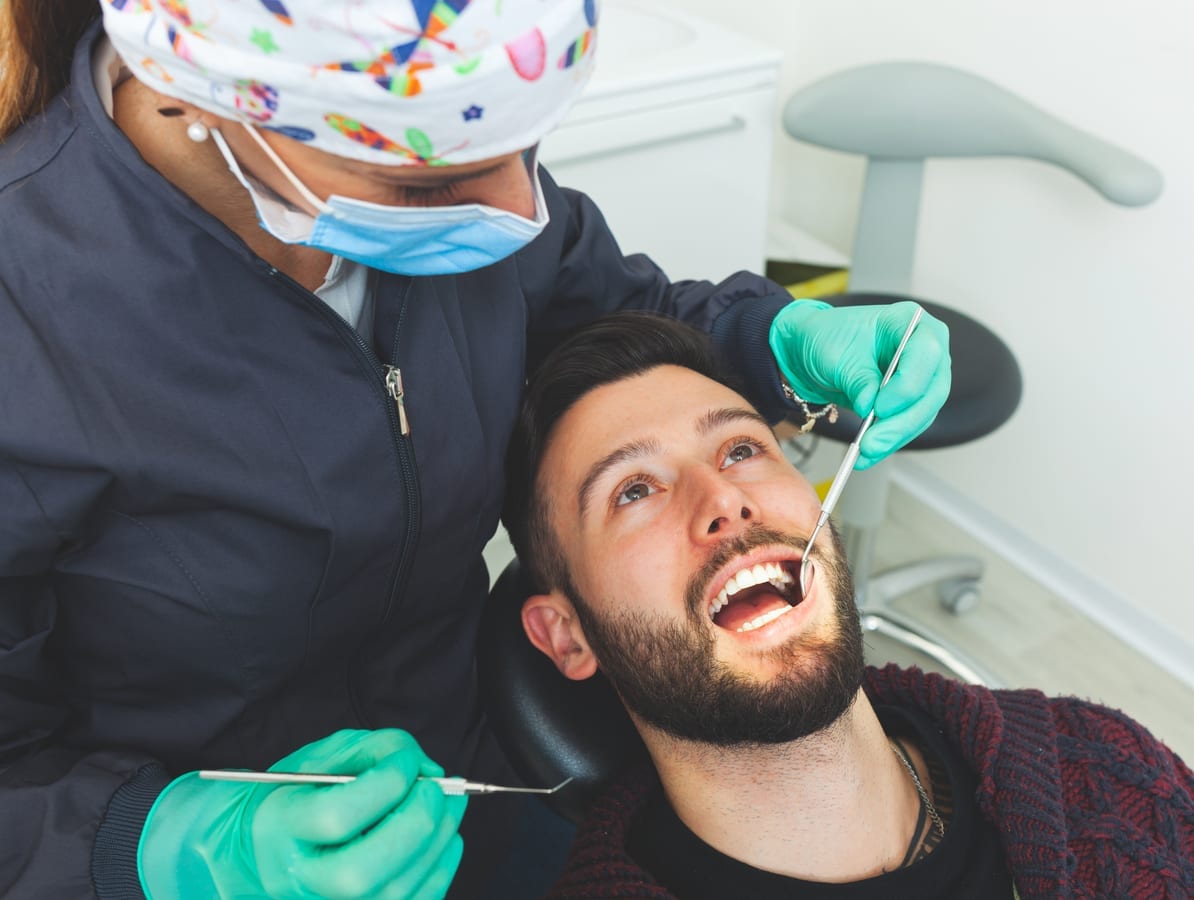
Many patients in Wellington, FL feel uncertain about what to expect at a routine dental appointment. Understanding what happens during your preventive dental visit — every step explained — removes that anxiety completely. At Modern Dental Smiles of Wellington, Dr. Kurt Bally walks every patient through a thorough, comfortable process. Knowing what to expect helps you show up confident and prepared.
Why Preventive Dental Visits Matter in Wellington, FL
Preventive care is the foundation of a healthy smile. Regular visits help catch small problems before they become expensive, painful issues. Patients who skip routine exams often face more complex treatments later on. Dr. Bally recommends most adults visit every six months for optimal oral health.
A preventive visit is not just a cleaning. It is a comprehensive health check for your entire mouth. Each step serves a specific purpose — and understanding that purpose empowers you as a patient. Here is exactly what you can expect when you walk through our doors in Wellington.
- Early detection of cavities, gum disease, and oral cancer
- Professional removal of plaque and tartar buildup
- Personalized guidance on your at-home care routine
- A full oral health baseline for future comparisons
- Peace of mind that your smile is in good shape
Step One: The Comprehensive Dental Exam Explained
Your visit begins with a thorough clinical exam performed by Dr. Bally. He visually inspects every tooth, your gums, your bite alignment, and your jaw. This allows him to spot early signs of decay, wear, or structural concerns. Catching issues early means simpler, less costly solutions.
Dental X-rays are typically taken during this phase. X-rays reveal what the naked eye cannot see — bone loss, hidden cavities, and root problems. Digital X-rays at Modern Dental Smiles of Wellington use minimal radiation and produce instant images. Dr. Bally reviews those images with you right away so you always understand your own oral health.
Your gum health is assessed using a small measuring probe. This process, called periodontal charting, records pocket depths around each tooth. Deeper pockets can signal gum disease developing beneath the surface. Identifying this early allows for prompt, effective treatment before bone loss occurs.
Step Two: Professional Teeth Cleaning — What Really Happens
After the exam, our dental hygienist performs a professional cleaning. This step removes plaque and tartar that brushing and flossing simply cannot reach. Even the most diligent home care leaves buildup in certain areas over time. Professional cleaning eliminates that buildup completely and safely.
The hygienist uses a scaler to carefully remove tartar from tooth surfaces and along the gumline. This process is called scaling and is completely normal. You may feel light pressure and hear scraping sounds — both are expected. Patients are always encouraged to ask questions throughout the process.
After scaling, your teeth are polished using a gritty toothpaste and a spinning brush. Polishing removes surface stains and leaves teeth feeling smooth and clean. A smooth tooth surface actually makes it harder for plaque to cling going forward. The entire cleaning process typically takes 30 to 45 minutes depending on buildup levels.
Step Three: Oral Cancer Screening and Fluoride Treatments in Wellington
Oral cancer screening is a critical — and often overlooked — part of every preventive visit. Dr. Bally performs a visual and physical examination of your lips, cheeks, tongue, throat, and jaw. He checks for unusual sores, lumps, discoloration, or tissue changes. Early detection dramatically improves treatment outcomes for oral cancer.
This screening takes only a few minutes but carries enormous value. Many patients never notice early warning signs on their own. Regular screenings create an important safety net for your overall health. If anything unusual appears, Dr. Bally discusses next steps clearly and calmly.
After cleaning and screening, many patients receive a fluoride treatment. Fluoride strengthens tooth enamel and makes teeth more resistant to decay. The treatment involves a gel, foam, or varnish applied directly to the teeth. It is quick, painless, and especially beneficial for patients at higher risk for cavities.
- Fluoride varnish sets quickly and requires no waiting to eat or drink
- Patients with dry mouth benefit significantly from fluoride treatments
- Children and teens are especially good candidates for added fluoride protection
- Adults with receding gums also gain meaningful protection from fluoride
Dental Sealants and Additional Preventive Services
Some patients may benefit from dental sealants as part of their preventive visit. Sealants are thin, protective coatings applied to the chewing surfaces of back teeth. They seal off grooves where bacteria and food particles tend to hide. Sealants are highly effective at preventing cavities in both children and adults.
At Modern Dental Smiles of Wellington, preventive visits also open the door to conversations about other aspects of your oral health. Dr. Bally may discuss alignment concerns and options like Clear Aligners or Teens Orthodontics. He may also mention smile enhancement possibilities. Patients interested in Cosmetic Dentistry Wellington services will find helpful information on our Cosmetic Dentistry Faqs Wellington page as well.
Every recommendation Dr. Bally makes is rooted in your individual oral health needs. There is no pressure — only education and honest guidance. Your preventive visit is designed to support your long-term wellness, not to upsell services you do not need.
What to Expect After Your Preventive Visit
Once your appointment wraps up, Dr. Bally or a team member reviews your findings with you. You will understand exactly what was found, what is healthy, and what may need monitoring. Any recommended follow-up treatments are explained clearly in plain language. You leave informed — never confused or overwhelmed.
You may experience mild gum tenderness after a thorough cleaning. This is completely normal and typically resolves within a day or two. Rinsing with warm salt water can soothe any sensitivity. Most patients feel nothing unusual at all after their visits.
Keeping up with regular preventive visits is one of the best investments you can make in your health. Patients who maintain consistent care typically spend less time in the dental chair over their lifetime. Dr. Bally and the team at Modern Dental Smiles of Wellington are here to make every visit as comfortable and effective as possible. Book Now to schedule your appointment with our team.
Frequently Asked Questions
How long does a preventive dental visit typically take?
Most preventive visits at Modern Dental Smiles of Wellington take between 60 and 90 minutes. This includes the exam, X-rays, cleaning, screening, and any additional treatments like fluoride. The exact time depends on the amount of buildup and whether X-rays are taken that day.
How often should I schedule a preventive dental visit?
Dr. Bally recommends most patients visit every six months for a preventive checkup and cleaning. Some patients with gum disease or higher cavity risk may benefit from visits every three to four months. Your individual schedule will be tailored to your oral health needs.
Are dental X-rays safe during a preventive visit?
Yes, dental X-rays are very safe. Modern Dental Smiles of Wellington uses digital X-ray technology, which significantly reduces radiation exposure compared to traditional X-rays. Dr. Bally only recommends X-rays when they are clinically necessary to monitor your oral health.
Is the oral cancer screening painful?
Not at all. The oral cancer screening performed by Dr. Bally is completely painless and non-invasive. He visually examines your lips, tongue, cheeks, throat, and jaw for any unusual changes. The entire screening takes only a few minutes and is included in every preventive visit.
Do I need a fluoride treatment at every preventive visit?
Not necessarily — it depends on your individual risk factors. Dr. Bally assesses your cavity history, diet, dry mouth, and gum recession to determine if fluoride is beneficial for you. Patients at higher risk for decay often benefit most from regular fluoride applications.