
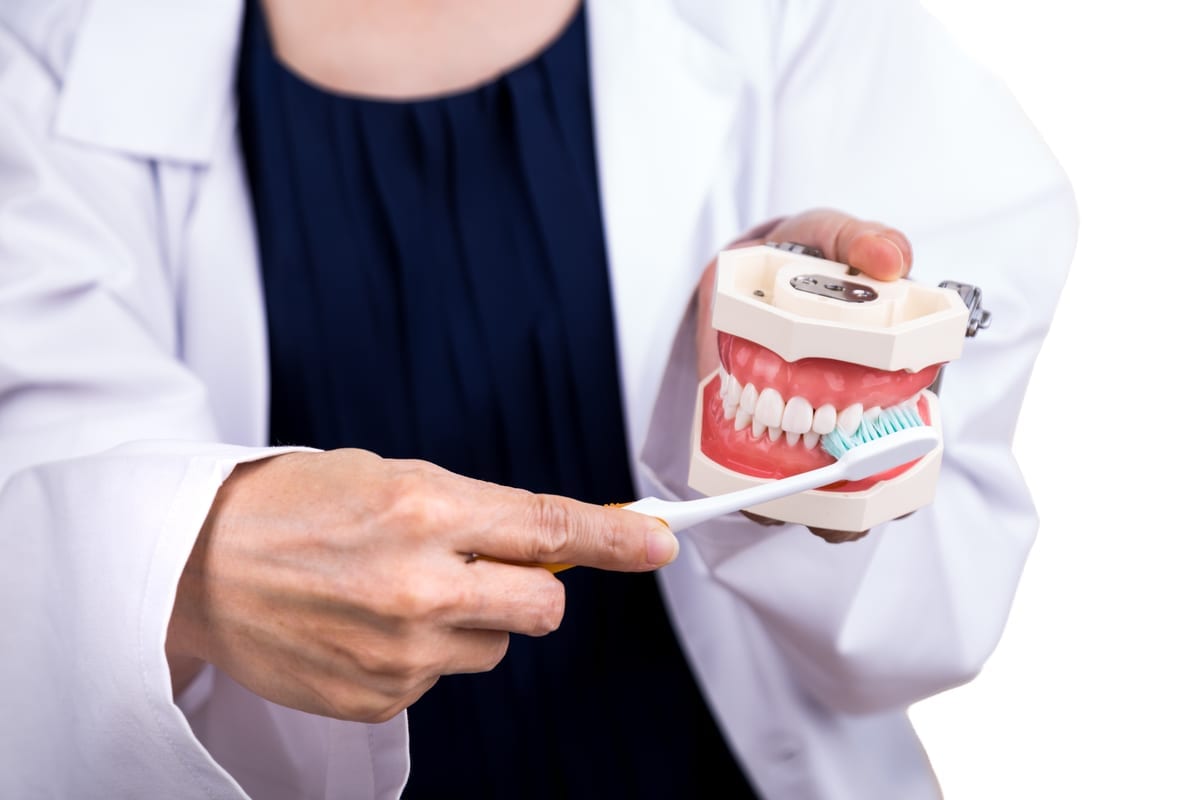
You brush twice a day. You floss regularly. Yet your dentist still finds buildup at every visit. Understanding why your toothbrush can’t beat hardened tartar buildup in Jupiter is the first step to protecting your smile. Once plaque hardens into tartar, no amount of brushing removes it. Only a professional cleaning can get the job done.
What Is Tartar and Why Does It Form?
Plaque is a soft, sticky film of bacteria that forms on your teeth daily. When you brush and floss, you remove most of that plaque. But any plaque you miss begins to harden within 24 to 72 hours.
Once plaque hardens, it becomes tartar — also called calculus. Tartar bonds directly to tooth enamel and below the gumline. It has a rough, porous surface that attracts even more bacteria over time.
Common areas where tartar builds up fastest include:
- Behind the lower front teeth
- Along the gumline of upper back molars
- Between teeth where flossing is difficult
- Just below the gumline on root surfaces
Jupiter’s warm, humid climate keeps many residents active outdoors. Sports drinks, energy beverages, and frequent snacking all accelerate plaque formation. That means tartar can build up faster here than you might expect.
Why Your Toothbrush Simply Cannot Remove Hardened Tartar
Toothbrush bristles are designed to clean soft plaque from tooth surfaces. They are not hard enough to chip away mineralized tartar deposits. Even the best electric toothbrush on the market cannot break the bond tartar forms with enamel.
Tartar is essentially calcified bacteria. Think of it like mineral scale inside a pipe. You need a specialized tool — not a brush — to remove it safely. Attempting to scrape it yourself with sharp objects can scratch enamel and damage gums.
Here is what makes tartar removal so difficult at home:
- Tartar adheres with the same strength as hardened mineral deposits
- Subgingival tartar hides below the gumline where brushes cannot reach
- The rough surface of tartar traps bacteria in layers
- No over-the-counter product chemically dissolves tartar safely
This is why professional teeth cleaning exists. It is not a luxury — it is a biological necessity for most people.
What a Professional Cleaning Actually Removes
During a professional cleaning at Modern Dental Smiles of Jupiter, Dr. Kurt Bally and his team use specialized instruments called scalers. These tools safely remove both supragingival and subgingival tartar. No toothbrush can replicate this process.
A standard professional cleaning removes several types of buildup that home care leaves behind. Supragingival tartar sits above the gumline and is visible to the naked eye. Subgingival tartar lives in the pockets between your teeth and gums. Both types cause damage if left untreated.
The cleaning also removes surface stains caused by coffee, tea, and food pigments. After scaling, dental hygienists use a gritty polishing paste to smooth the enamel surface. This makes it harder for new plaque to stick between visits.
Patients dealing with more advanced buildup may need a deeper cleaning called scaling and root planing. This procedure targets tartar on root surfaces beneath the gumline. It is a key part of Cosmetic Dentistry and restorative care that keeps the whole mouth healthy.
The Health Consequences of Letting Tartar Go Untreated
Tartar is not just a cosmetic problem. It is the primary cause of gum disease. When tartar irritates gum tissue, the gums become inflamed — a condition called gingivitis. Left untreated, gingivitis progresses into periodontitis.
Periodontitis destroys the bone and tissue that hold your teeth in place. It is one of the leading causes of tooth loss in adults. Research also links chronic gum disease to systemic health conditions including heart disease and diabetes.
Tartar buildup can also lead to:
- Persistent bad breath that brushing does not fix
- Bleeding and swollen gums
- Receding gum tissue that exposes root surfaces
- Increased sensitivity to hot and cold temperatures
- Cavities forming in hard-to-reach areas
Regular cleanings interrupt this cycle before it starts. Dr. Kurt Bally recommends most patients schedule cleanings every six months. Patients with active gum disease or heavy buildup may need more frequent visits.
How Often Should Jupiter Residents Get a Professional Cleaning?
The American Dental Association recommends professional cleanings at least twice per year for most adults. However, individual needs vary based on your oral health history. Some patients with gum disease benefit from cleanings every three to four months.
Jupiter residents who smoke, have diabetes, or take medications that cause dry mouth face higher tartar buildup risks. Dry mouth reduces saliva flow, which normally helps rinse away plaque and bacteria. These patients should discuss a more frequent cleaning schedule with Dr. Bally.
Children also benefit from regular cleanings starting early. Pediatric patients develop tartar too, and establishing healthy habits young prevents bigger problems later. If you want to know more, the Cosmetic Dentistry Faqs page at Modern Dental Smiles of Jupiter answers many common questions about preventive and aesthetic care.
The good news is that professional cleanings are quick and comfortable. Most appointments take between 45 and 60 minutes. Patients leave with noticeably cleaner teeth and fresher breath.
What to Expect During Your Cleaning Visit
Knowing what happens at your appointment removes any anxiety about the process. Dr. Bally’s team makes every patient feel informed and comfortable from the moment they arrive.
Here is a step-by-step breakdown of a typical cleaning visit:
- Examination: Your hygienist checks for signs of tartar, gum disease, and cavities.
- Scaling: Specialized instruments remove all tartar deposits above and below the gumline.
- Polishing: A rotating brush with gritty paste smooths and brightens enamel surfaces.
- Flossing: Professional flossing clears debris from between teeth and checks gum health.
- Fluoride treatment: A fluoride rinse or varnish strengthens enamel and prevents decay.
- Review: Your dentist reviews findings and recommends any follow-up care needed.
The entire process is designed to be painless. Patients with sensitive gums may feel mild pressure during scaling. Your hygienist can adjust technique or use a numbing gel if needed.
Protecting Your Smile Between Visits
Professional cleanings do the heavy lifting, but daily home care still matters. Brushing twice daily with fluoride toothpaste removes fresh plaque before it hardens. Flossing at least once per day clears bacteria from between teeth where brushes cannot reach.
Using an antiseptic mouthwash can further reduce bacterial load in the mouth. Drinking plenty of water throughout the day — especially after meals — helps rinse away food particles. Staying hydrated also supports healthy saliva production.
Limiting sugary and acidic foods slows plaque formation significantly. Choosing water over sports drinks during outdoor activities is especially important for Jupiter residents who spend time in the sun. Small daily choices add up to major long-term benefits.
No home routine fully replaces a professional cleaning, but strong habits between visits mean less tartar to remove each time. Your cleaning appointments become faster and more comfortable when your daily care is consistent.
Schedule Your Cleaning with Dr. Kurt Bally in Jupiter
Hardened tartar is not something you can brush away — but it is something a professional can remove safely and completely. Dr. Kurt Bally and the team at Modern Dental Smiles of Jupiter are here to keep your gums healthy and your smile clean. Do not wait for symptoms to appear before making your appointment. Book Now to schedule your appointment with our team.
Frequently Asked Questions
Can tartar go away on its own without a dental cleaning?
No. Once plaque hardens into tartar, it bonds permanently to tooth enamel. Only professional dental instruments can safely remove it. Brushing and flossing prevent new plaque from hardening but cannot dissolve existing tartar deposits.
How long does it take for plaque to turn into tartar?
Plaque begins to harden into tartar within 24 to 72 hours if it is not removed. This is why brushing at least twice daily and flossing once per day is so important. Consistent home care slows tartar formation significantly between professional visits.
Is tartar removal painful during a professional cleaning?
Most patients experience little to no discomfort during a professional cleaning. Patients with inflamed gums or heavy buildup may feel mild sensitivity during scaling. Your hygienist at Modern Dental Smiles of Jupiter can use a topical numbing gel to keep you comfortable throughout the appointment.
What is the difference between plaque and tartar?
Plaque is a soft, sticky bacterial film that forms on teeth daily. You can remove plaque with regular brushing and flossing. Tartar is what plaque becomes after it hardens and mineralizes — it cannot be removed at home and requires professional instruments to clear away safely.
How do I know if I have tartar buildup on my teeth?
Tartar often appears as a yellow or brown deposit along the gumline or between teeth. You may also notice persistent bad breath, bleeding gums when brushing, or rough textures on tooth surfaces. The most reliable way to assess tartar buildup is a professional examination with Dr. Kurt Bally in Jupiter.