
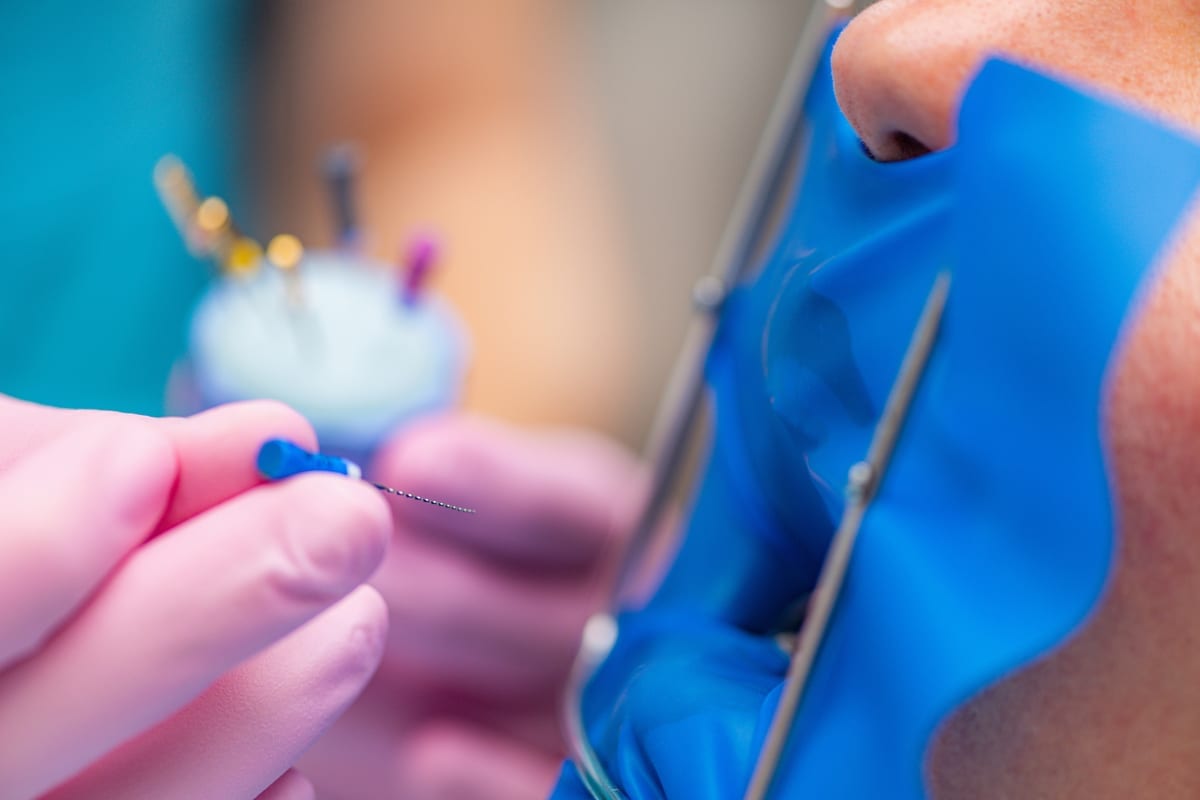
Root canal myths that keep patients in pain in Boynton Beach are more common than you might think. Fear of root canals stops many people from getting care they urgently need. The result? More pain, more damage, and more costly treatment down the road. At Modern Dental Smiles of Boynton Beach, Dr. Kurt O. Bally, D.M.D. wants to set the record straight once and for all.
If you have been putting off a root canal because of something you heard, this article is for you. We will walk through the most damaging myths one by one. You deserve accurate information — not fear based on outdated stories. Let’s separate fact from fiction together.
Myth #1: Root Canals Are the Most Painful Dental Procedure
The Myth: Root canals are notoriously painful. Many patients say they would rather pull the tooth.
The Reality: This is probably the most widespread and harmful dental myth in existence. Root canals do not cause pain — they relieve it. The procedure removes infected pulp tissue that is already causing you significant discomfort.
Modern dentistry has transformed this procedure entirely. Local anesthesia numbs the area completely before anything begins. Most patients report feeling pressure but little to no pain during the process. Many say it feels no different from getting a filling.
The pain people associate with root canals actually comes from the infection itself. Treating that infection is what brings relief. Avoiding the procedure only makes the original pain worse over time.
Myth #2: It’s Better to Just Pull the Tooth
The Myth: Extraction is simpler, cheaper, and gets the problem over with faster.
The Reality: Saving your natural tooth is almost always the better long-term choice. Your natural teeth are uniquely designed to function together. Removing one creates a gap that affects biting, chewing, and even jaw alignment.
Once a tooth is gone, neighboring teeth can shift into the space. Bone loss in the jaw often follows extraction over time. Replacing a missing tooth with a dental implant or bridge adds additional steps and cost.
A root canal preserves your original tooth structure. It is a conservation-focused solution. In most cases, a tooth restored after root canal treatment can last decades — sometimes a lifetime.
Myth #3: Root Canals Cause Illness or Spread Infection
The Myth: Root canals spread bacteria through your body and cause systemic illness.
The Reality: This myth traces back to flawed research from the early 1900s. It has been thoroughly debunked by modern science and dental medicine. There is no credible evidence linking properly performed root canals to illness elsewhere in the body.
In fact, the opposite is true. An untreated tooth infection is what poses a genuine health risk. Bacteria from an abscessed tooth can spread to surrounding tissue. In rare but serious cases, infection can reach the jaw, neck, or bloodstream.
Root canal treatment removes the source of that infection. It cleans, shapes, and seals the inner tooth. This protects both your oral health and your overall wellbeing.
Patients curious about broader oral health connections will find useful context in our Cosmetic Dentistry Faqs Boynton Beach resource, which covers common patient concerns in plain language.
Myth #4: You Only Need a Root Canal If You’re in Severe Pain
The Myth: If a tooth does not hurt, it does not need a root canal.
The Reality: Pain is not always a reliable indicator of tooth health. A tooth can have a dying or dead nerve and feel completely painless. The pulp tissue inside may have become infected or necrotic without triggering significant discomfort.
This makes regular dental exams critically important. X-rays and clinical evaluations can detect problems invisible to the naked eye. Dr. Bally uses careful diagnostics to identify teeth that need treatment before they become emergencies.
Waiting for severe pain before seeking care almost always means the problem has worsened. Treatment at an earlier stage is simpler and more predictable. Do not use absence of pain as a reason to skip your dental visit.
What Actually Happens During a Root Canal at Modern Dental Smiles
Understanding the procedure can reduce anxiety significantly. Here is what patients typically experience during root canal treatment at our Boynton Beach practice:
- Examination and X-rays: Dr. Bally assesses the tooth and surrounding bone carefully.
- Local anesthesia: The area is fully numbed before any work begins.
- Access opening: A small opening is made in the crown of the tooth.
- Pulp removal: Infected or damaged pulp tissue is gently removed.
- Cleaning and shaping: The inner canals are cleaned and shaped precisely.
- Sealing: The tooth is sealed with a biocompatible material called gutta-percha.
- Restoration: A dental crown is typically placed to protect and restore the tooth.
The entire procedure usually takes one to two appointments. Most patients return to normal activities the very next day. Mild soreness after treatment is normal and manageable with over-the-counter pain relief.
Why Boynton Beach Patients Choose Dr. Kurt O. Bally for Root Canal Treatment
Dr. Bally and the team at Modern Dental Smiles of Boynton Beach prioritize patient comfort above all else. We know dental anxiety is real — and we take it seriously. Every step of your appointment is explained clearly before we proceed.
Our same-day dentistry capabilities mean urgent tooth pain does not have to wait. We work to get you seen quickly and provide relief as efficiently as possible. Patients across Boynton Beach trust us because we listen and act decisively.
Beyond root canal treatment, we offer a full range of restorative and Cosmetic Dentistry Boynton Beach services to restore your smile completely. From dental crowns to teeth whitening, we treat the whole picture — not just the problem tooth.
Benefits of Treating Rather Than Avoiding Root Canal Treatment
Choosing to move forward with root canal care offers real, lasting advantages. Patients who complete treatment consistently report:
- Immediate relief from chronic tooth pain and pressure
- Preservation of their natural tooth and bite function
- Prevention of infection spreading to surrounding teeth or tissue
- Avoidance of more complex and costly tooth replacement procedures
- Restored ability to eat, speak, and smile with confidence
None of these benefits are possible when fear holds you back from care. Root canal myths that keep patients in pain in Boynton Beach cost people their teeth — and their quality of life. The good news is that accurate information and compassionate care can change that.
Take the Next Step Toward a Pain-Free Smile
You do not have to live with tooth pain or anxiety about dental procedures. Dr. Kurt O. Bally, D.M.D. and the team at Modern Dental Smiles of Boynton Beach are ready to help. We will assess your tooth, explain every option clearly, and support you every step of the way. Book Now to schedule your appointment with our team.
Frequently Asked Questions
Is a root canal procedure really painful?
No — modern root canal treatment is performed under local anesthesia and is typically no more uncomfortable than a routine filling. The infection causing your tooth pain is what hurts, not the procedure that treats it. Most patients feel significant relief once treatment is complete.
How long does a root canal take at Modern Dental Smiles of Boynton Beach?
Most root canal procedures are completed in one to two appointments, each lasting about 60 to 90 minutes. The timeline depends on the complexity of the tooth and the extent of the infection. Dr. Bally will give you a clear estimate during your initial exam.
Will I need a crown after my root canal?
In most cases, yes. A dental crown protects and strengthens the treated tooth, which can become more brittle after the pulp is removed. Dr. Bally will discuss crown options with you and ensure your restored tooth looks and functions naturally.
Can I drive myself home after a root canal?
Yes, in most cases you can drive yourself home after root canal treatment. Local anesthesia is used rather than general sedation for most patients. If sedation dentistry is recommended for your case, you would need a driver — Dr. Bally’s team will advise you in advance.
What happens if I avoid root canal treatment?
Avoiding a needed root canal allows the infection to spread and worsen. This can lead to severe pain, abscess formation, bone loss, and ultimately tooth loss. Early treatment is always simpler, safer, and more effective than waiting until the situation becomes a dental emergency.