
Most patients are surprised to learn that dental bridges last 10-15 years with proper care. In Jupiter, FL, patients at Modern Dental Smiles of Jupiter ask Dr. Kurt Bally this question all the time. The answer depends on much more than just the quality of the bridge itself. What you do every single day matters enormously for how long your bridge holds up.
Understanding what extends or shortens a bridge’s lifespan puts you in control. This guide covers the key factors, maintenance habits, and warning signs every bridge patient in Jupiter should know.
Why Dental Bridges Last 10-15 Years — And Sometimes Longer in Jupiter
A dental bridge replaces one or more missing teeth by anchoring to surrounding natural teeth called abutment teeth. The bridge itself is typically made from porcelain, ceramic, or porcelain fused to metal. These materials are highly durable but not indestructible.
The 10-15 year lifespan is a well-researched average. Some patients in Jupiter see their bridges last 20 years or more. Others need replacement closer to the 7-year mark. The difference almost always comes down to a handful of controllable factors.
Material quality plays a significant role. Modern all-ceramic bridges offer excellent longevity and a natural appearance. At Modern Dental Smiles of Jupiter, Dr. Bally selects bridge materials based on each patient’s bite, lifestyle, and long-term goals.
What Actually Shortens a Dental Bridge’s Lifespan
Several habits and conditions put bridges at risk well before the 15-year mark. Knowing these risks helps you protect your investment and your oral health.
- Grinding or clenching teeth (bruxism): Constant pressure cracks porcelain and weakens the abutment teeth underneath.
- Skipping flossing under the bridge: Food and bacteria collect under the pontic, causing decay in the abutment teeth.
- Chewing hard foods regularly: Ice, hard candy, and popcorn kernels can chip or fracture the bridge material.
- Poor gum health: Gum disease weakens the bone and tissue supporting the abutment teeth.
- Missing dental checkups: Small problems go undetected and grow into major structural failures.
- Using teeth as tools: Opening packages or bottles with your teeth puts extreme stress on the bridge.
Untreated Cosmetic Dentistry Jupiter concerns — like decay around the abutment teeth — are among the most common reasons bridges fail early. Catching these issues early is critical.
Daily Habits That Extend Your Dental Bridge’s Lifespan
The good news is that most longevity factors are completely within your control. Dr. Bally consistently sees patients in Jupiter extend their bridge life well beyond 15 years by following a few simple daily routines.
Brushing twice daily with a soft-bristled toothbrush is non-negotiable. Use fluoride toothpaste and brush gently around the bridge margins. Aggressive brushing wears down the cement seal over time.
Flossing under the bridge is equally important. Standard floss doesn’t thread under a bridge easily. A floss threader, water flosser, or interdental brush makes this step much more manageable. Removing debris under the pontic every day prevents the decay that destroys abutment teeth.
- Use a floss threader or water flosser daily to clean under the bridge pontic.
- Wear a custom nightguard if you grind your teeth during sleep.
- Rinse with an antibacterial mouthwash to reduce bacterial load around the bridge margins.
- Stay hydrated — dry mouth increases cavity risk around the abutment teeth.
- Eat a balanced diet and minimize sticky or hard foods that stress the bridge.
If you have questions about the best tools for your bridge, our team at Modern Dental Smiles of Jupiter is happy to walk you through a personalized care routine at your next visit.
The Role of Professional Dental Care in Bridge Longevity
Home care alone is not enough to maximize how long your bridge lasts. Professional dental visits give Dr. Bally the ability to spot small cracks, loose cement, or early gum disease before they escalate.
Twice-yearly teeth cleanings remove calculus buildup that forms around bridge margins. Calculus accelerates gum disease, which directly undermines the support structure of your bridge. No amount of home brushing removes calculus once it hardens.
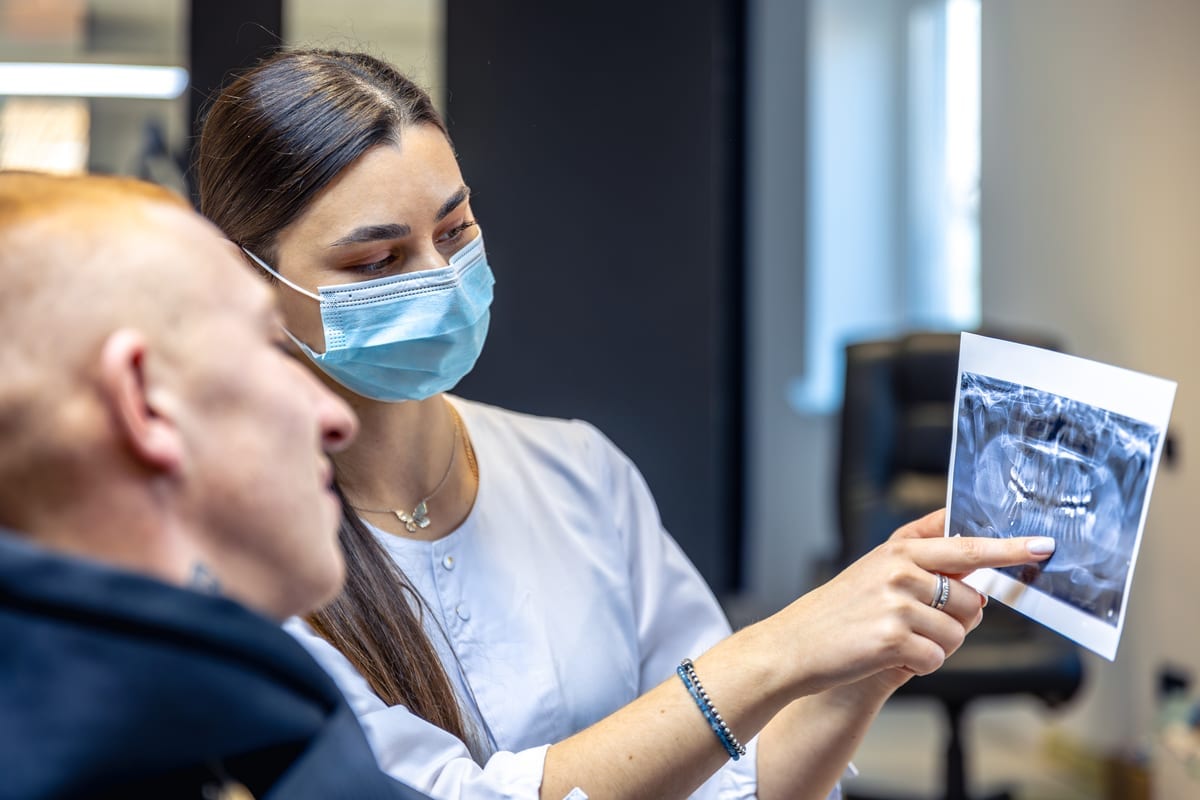
Digital X-rays allow the team to check the abutment teeth beneath the bridge for hidden decay. Because the bridge covers part of these teeth, decay can silently progress until it causes serious damage. Catching it early through routine imaging saves the bridge — and the tooth.
For patients with active gum disease, our gum disease treatment services are often a key step in protecting an existing bridge. Healthy gums and bone tissue are the foundation that keeps every bridge stable for years.
Signs Your Bridge May Need Attention Before Its Time
Even with excellent care, bridges occasionally need attention before the expected replacement window. Knowing the warning signs helps you act quickly and avoid more extensive treatment.
Sensitivity around the abutment teeth is one of the earliest red flags. This often signals that cement has loosened or that decay is developing beneath the bridge. Do not wait for pain to worsen before calling your dentist.
A bridge that feels loose or shifts when you bite is a dental urgency. A loose bridge can damage the abutment teeth quickly if left unaddressed. Our same-day dentistry services at Modern Dental Smiles of Jupiter mean you don’t have to wait long for relief.
Visible cracks, chipping, or discoloration on the bridge surface are also signs worth discussing at your next visit. For more answers to common questions, the Cosmetic Dentistry Faqs Jupiter resource page covers many bridge-related concerns in detail.
Making the Most of Your Bridge: A Long-Term Perspective
Dental bridges last 10-15 years on average, but your daily choices significantly shape that outcome. Patients in Jupiter who combine strong home care with consistent professional visits routinely extend bridge life well into the 15-20 year range. Think of your bridge as an investment that rewards consistent maintenance.
Dr. Kurt Bally and the team at Modern Dental Smiles of Jupiter are committed to helping every patient protect their smile for the long haul. Whether you already have a bridge or are considering one, having a clear maintenance plan from day one makes a measurable difference.
Ready to give your bridge the best possible chance at a long, healthy lifespan? Book Now to schedule your appointment with our team.
Frequently Asked Questions
How long do dental bridges typically last?
Dental bridges last an average of 10-15 years. With excellent oral hygiene and regular professional care, many bridges last 20 years or longer. The lifespan depends on the materials used, your bite forces, and how well you maintain your teeth and gums at home.
Can I eat normally with a dental bridge?
Yes, most everyday foods are completely fine with a dental bridge. However, you should avoid very hard foods like ice and hard candy, as well as extremely sticky foods. These put excessive stress on the bridge and can chip the material or loosen the cement over time.
What happens if I don’t clean under my dental bridge?
Failing to clean under a bridge allows bacteria and food debris to accumulate on the abutment teeth and gum tissue beneath the pontic. This leads to tooth decay and gum disease in the teeth supporting the bridge. Over time, this can cause bridge failure and tooth loss if not addressed.
How do I know when my dental bridge needs to be replaced?
Common signs include sensitivity around the supporting teeth, a loose or shifting bridge, visible cracks or chips, and persistent bad breath despite good hygiene. If you notice any of these, contact your dentist promptly. Catching problems early often allows for repair rather than full replacement.
Does teeth grinding affect how long a bridge lasts?
Yes, bruxism — or teeth grinding — is one of the most significant factors that shortens bridge lifespan. The repeated pressure and friction can crack porcelain and stress the abutment teeth. Dr. Bally often recommends a custom nightguard for patients who grind to help protect both the bridge and natural teeth.