
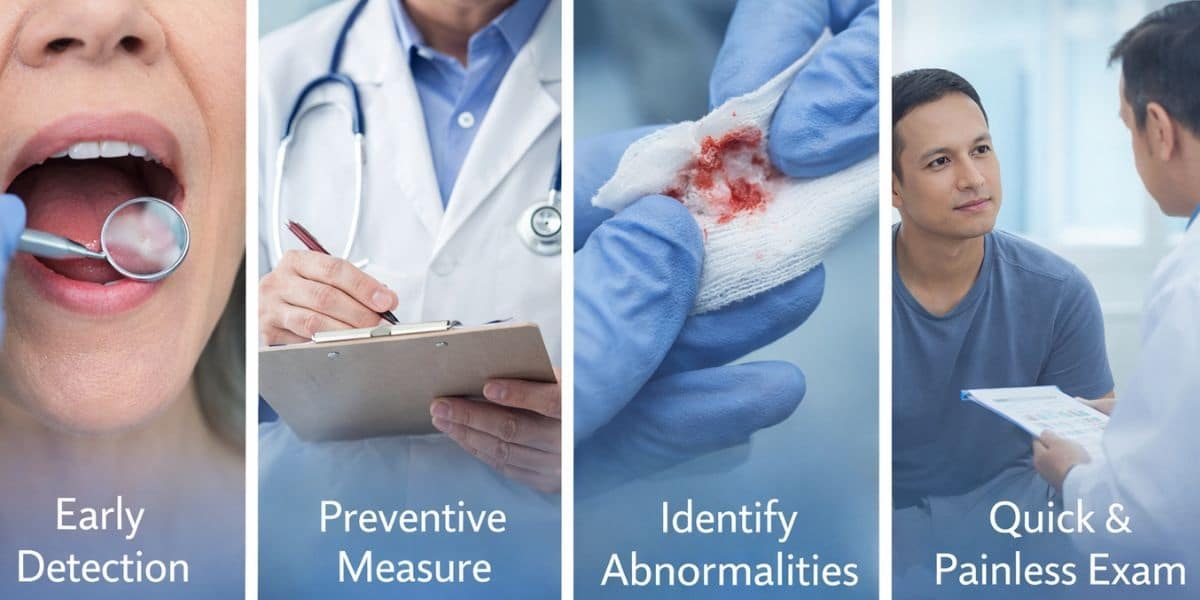
Did you know that one person dies from oral cancer every hour in the United States? Despite this alarming statistic, oral cancer remains one of the most overlooked health risks by many. Early detection through oral cancer screening can be life-saving, but it often goes unnoticed during routine dental visits. This blog aims to raise awareness of the importance of incorporating oral cancer screenings into your regular dental checkups and how they can significantly impact your health.
At Modern Dental Smiles, we believe that prioritizing your oral health means more than just clean teeth. It includes taking preventative steps against serious conditions like oral cancer. In the following sections, we’ll explain why screenings are essential, how they work, and how they can save lives.
What is Oral Cancer?
Oral cancer refers to any cancer that affects the mouth, tongue, lips, gums, cheeks, or the roof or floor of the mouth. It can also involve the throat, known as oropharyngeal cancer, which includes the tonsils and the base of the tongue. Like many cancers, it starts as abnormal cell growth that spreads if not detected and treated in time.
Common signs of oral cancer include persistent sores that don’t heal, pain or difficulty swallowing, and noticeable lumps or bumps in the mouth or neck. Early-stage oral cancer may not show obvious symptoms, which is why regular screenings are crucial.
While oral cancer can develop anywhere in the mouth, the most common areas affected are the lips, the inside of the cheeks, the floor of the mouth, and the tongue. This is why your dentist’s thorough examination of these areas is so important. Oral cancer screenings in Jupiter are designed to detect these subtle changes in the early stages, offering a better chance of effective treatment.
The Risk Factors of Oral Cancer
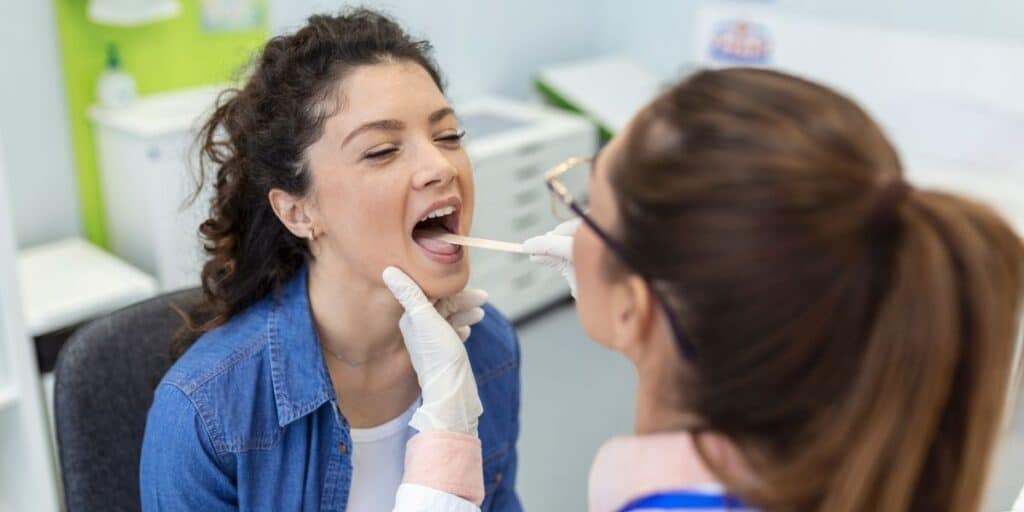
Understanding the risk factors for oral cancer is an essential step in preventing it. Certain lifestyle choices are the primary contributors to oral cancer, particularly tobacco use (both smoking and smokeless), excessive alcohol consumption, and poor diet. Smokers are six times more likely to develop oral cancer, and those who both smoke and drink are at even higher risk.
Additionally, the Human Papillomavirus (HPV), a virus linked to certain cancers, including oropharyngeal cancer, has seen increasing prevalence as a significant risk factor, particularly in younger individuals. Age also plays a role, as the risk for oral cancer increases with age, especially for those over 50.
In terms of statistics, the American Cancer Society estimates that approximately 54,540 people in the U.S. will be diagnosed with oral or oropharyngeal cancer in 2022. Of those, 43% will not survive beyond five years. The key to combating this disease is early detection, which can only happen with routine screenings.
Why Regular Oral Cancer Screenings are Essential
Early detection is key in the fight against oral cancer. When caught early, the survival rate for oral cancer can be as high as 90%. Unfortunately, many patients delay screenings, either due to a lack of awareness or fear of the procedure. The truth is, oral cancer screenings in Jupiter are quick, simple, and non-invasive.
In the early stages, symptoms of oral cancer can be subtle. A slight sore in your mouth that doesn’t go away, a lump in the neck, or persistent hoarseness might seem like a minor issue, but these could be signs of a more significant problem. If ignored, these symptoms can develop into more severe conditions that are harder to treat.
At Modern Dental Smiles, we encourage patients to view screenings as an essential part of their dental exams in Jupiter. A simple screening during your routine visit could mean the difference between early treatment and a more complicated process later on. A small investment in time for a screening could save your life.
What Happens During an Oral Cancer Screening?
Oral cancer screenings are typically done during your regular dental check-up. The procedure is simple and involves the dentist examining your mouth, neck, and throat for any signs of abnormalities, such as lumps, sores, or unusual tissue changes. Your dentist will gently feel around the neck and jaw area to check for lumps or abnormal growths.
They will also look for any signs of redness, swelling, or white patches in your mouth that could indicate early-stage cancer. If anything unusual is detected, further testing, such as a biopsy, may be recommended. It’s a fast and painless procedure that is usually completed in just a few minutes.
It’s important to note that oral cancer screenings are completely painless and non-invasive. They are typically performed as part of your routine dental exams in Jupiter, so there’s no need to schedule an additional appointment. By making oral cancer screenings a regular part of your dental care routine, you are taking an important step toward ensuring your long-term health.
The Role of Your Dentist in Oral Cancer Prevention
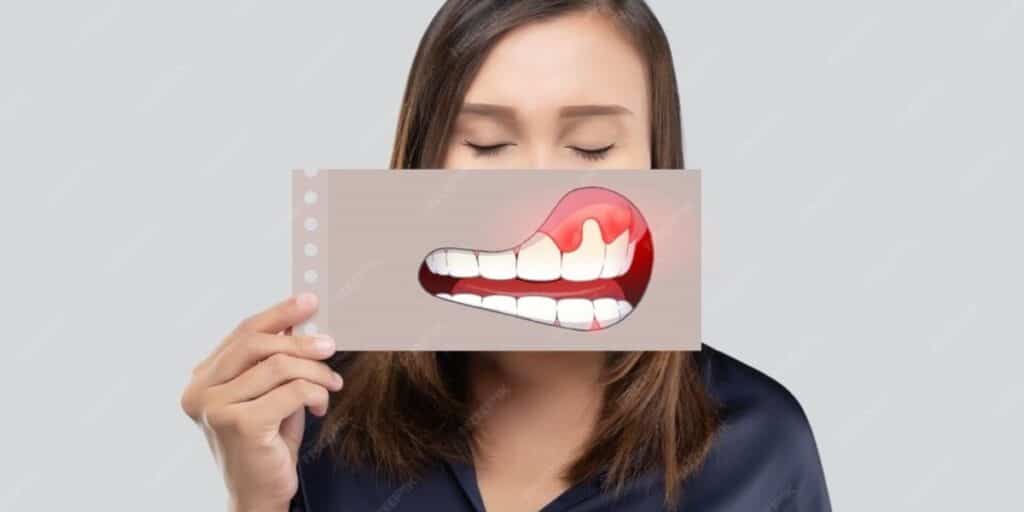
Your dentist plays a pivotal role in oral cancer prevention. Dentists are trained to spot early warning signs of oral cancer, often before the patient even notices symptoms. Building a relationship with your dentist is important because they can monitor changes in your mouth and detect abnormalities during regular check-ups.
At Modern Dental Smiles, we prioritize patient education and preventative care. Our team is committed to providing comprehensive care, including routine oral cancer screenings, to help detect potential problems early. By keeping up with regular dental visits, you allow your dentist to monitor your oral health and intervene quickly if necessary.
Having a trusted dentist means you’re more likely to stay on top of important health screenings, ensuring that conditions like oral cancer are caught early. Building that trust allows for open communication, leading to a more proactive approach to your overall health.
What to Do If You’re Diagnosed with Oral Cancer
If you’re diagnosed with oral cancer, it’s important to act quickly. Oral cancer treatment typically involves surgery, radiation therapy, and sometimes chemotherapy, depending on the stage of the cancer. The earlier the diagnosis, the more treatment options are available, and the more effective they are likely to be.
It’s crucial to follow your doctor’s treatment plan and attend follow-up appointments to ensure that the cancer does not return. Support is also available for those going through treatment. Numerous organizations offer counseling, support groups, and educational resources to help patients navigate this difficult journey.
At Modern Dental Smiles, we are here for you every step of the way. If you ever have concerns or need guidance, don’t hesitate to reach out. Early intervention is key, and we are committed to helping you with every aspect of your oral health.
Oral cancer screenings are an essential part of maintaining your overall health. Don’t wait until it’s too late. Schedule your oral cancer screening at Modern Dental Smiles today. We are here to help you protect your health with regular, preventative care. Contact us now to book your screening and take the next step toward better health!
Oral cancer is a serious health issue, but with early detection through oral cancer screenings, the chances of successful treatment are significantly higher. By making screenings a regular part of your dental exams, you are taking control of your health and ensuring that potential issues are caught early.
At Modern Dental Smiles, we are dedicated to your health and well-being. Prioritize your oral health today by scheduling a routine screening. Your future self will thank you. Together, we can work to ensure a healthy, cancer-free future.
What People Ask
It’s recommended to have an oral cancer screening every year as part of your regular dental checkup.
Signs include persistent sores, lumps, unexplained bleeding, difficulty swallowing, and pain or numbness in the mouth.
Risk factors include smoking, heavy alcohol use, HPV infection, a poor diet, and age, with those over 50 being at higher risk.
Oral cancer screenings usually take only a few minutes during your regular dental exam.
If signs are found, your dentist will refer you for further tests, such as a biopsy, to determine the next steps.